
Pateti is one of the most meaningful days in the Zoroastrian (Parsi and Irani) calendar. It is best understood as a day of penitence and self-correction—a moment to pause, review your year, and commit again to living with integrity before the New Year begins. (heritageinstitute.com)
In many Indian Parsi communities, Pateti is observed the day before Navroz (Parsi New Year). That pairing—reflection first, celebration next—is what gives the festival its emotional depth.
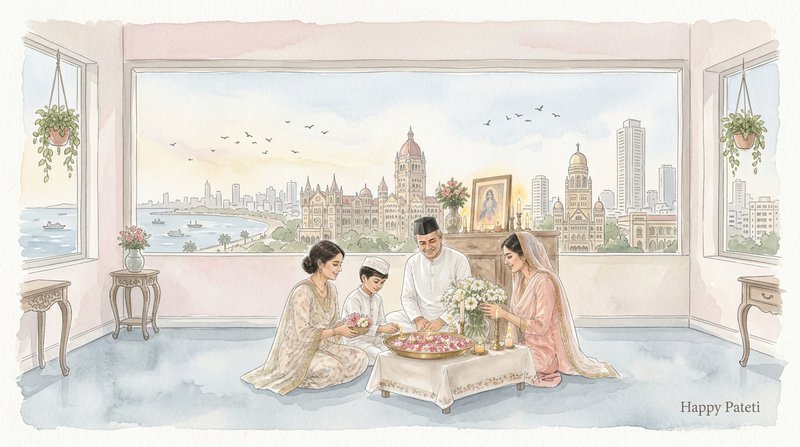
What is Pateti, really?
Pateti comes from patet (confession/repentance). In practice, it is a day for:
- owning mistakes (in thought, word, and deed)
- seeking forgiveness—from God and from people
- renewing your commitment to a better path in the coming year (heritageinstitute.com)
In many traditions, Pateti is treated as the last day of the religious year, a quiet threshold before the New Year begins. (en.wikipedia.org)
A brief history and origin story
Pateti sits at the close of the year and is closely tied to older Zoroastrian end-of-year observances that focus on remembrance, gratitude, and spiritual housekeeping. Over time, the last day came to be widely known as Pateti, emphasizing confession and introspection before the New Year celebrations. (en.wikipedia.org)
You may also hear a popular cultural attribution that links Pateti/Navroz to King Jamshed and the ancient Persian calendar tradition. This is often presented as a heritage narrative rather than a strictly verifiable historical claim—and it remains an important part of how the festival is explained in public-facing cultural contexts. (maharashtratourism.gov.in)
Cultural significance: why Pateti matters today
Pateti is not only “a festival day.” It is a social and personal reset.
1. A yearly accountability ritual (without fear)
Many modern lives move fast, and “self-improvement” becomes a vague promise. Pateti makes improvement concrete: reflect, admit, correct, and begin again. It turns ethics into a living practice. (en.wikipedia.org)
2. A community-held value system
For Parsis in India (and the global diaspora), Pateti reinforces cultural continuity—especially for families raising children far from dense community hubs. The day teaches that celebration is strongest when it is built on responsibility.
3. A bridge between remembrance and renewal
In several Zoroastrian traditions, the end of the year is also a time connected to honoring the departed (through associated end-of-year observances). Pateti, coming at the close, becomes a final act of gratitude and “closure” before the New Year begins. (en.wikipedia.org)
When is Pateti celebrated?
Pateti is observed one day before Navroz, but the date on the Gregorian calendar depends on which Zoroastrian calendar your community follows. Different groups use different calendars, so Pateti can fall on different dates in different places.
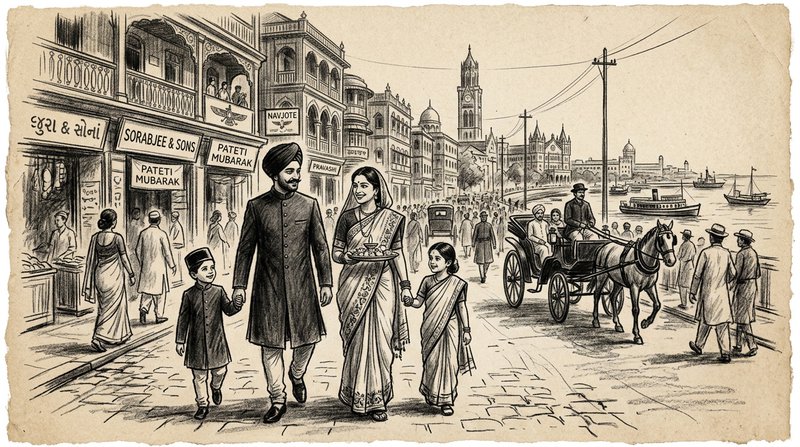
Pateti Mubarak or Navroz Mubarak?
You may hear both. Some people point out that since Pateti is about repentance, greeting someone “Pateti Mubarak” can feel contradictory—yet the greeting is still common in everyday community practice. (zoroastrians.net)
At gaathastory, a multilingual podcast platform), we strongly believe that authentic storytelling is one of the most sustainable ways to keep heritage alive—especially across languages and generations. Pateti is a perfect moment to listen, reflect, and pass a story forward.